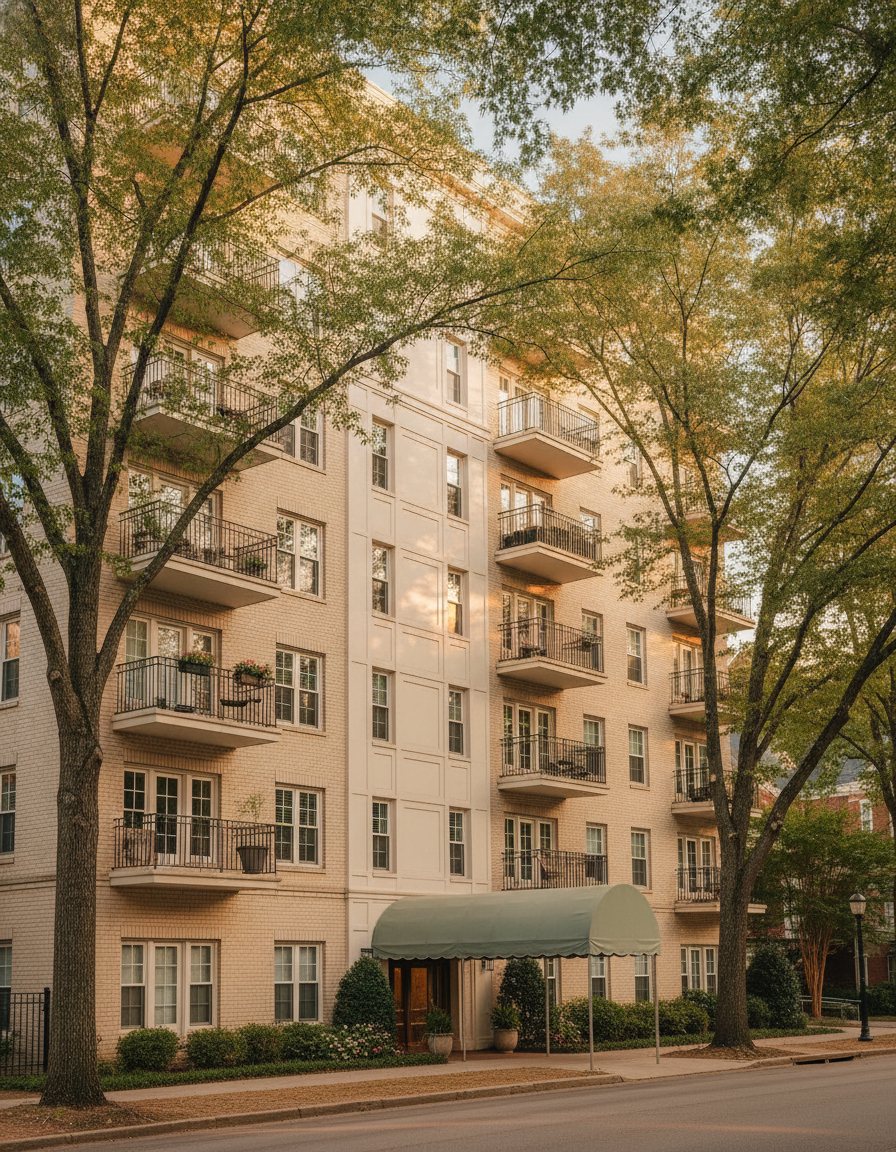
Every condo loan approves two things: the buyer and the building. This guide covers the building half, so a project’s paperwork never derails your closing.
What lenders look aton a condo
A condo buyer is buying into a shared financial structure, so every lender reviews the project alongside the borrower. That review usually runs on a questionnaire sent to the association during underwriting, and associations aren’t known for fast replies.
By the time an underfunded reserve or an insurance gap surfaces, you can be days from closing with a fully qualified buyer. Checking the building up front turns a deal-killer into a solvable problem.
Warrantable or not?
A warrantable condo meets conventional agency guidelines on owner occupancy, reserve funding, insurance, litigation and how many units one owner holds. A non-warrantable project misses one or more.
Is non-warrantable a dead end?
Not at all. The deal simply routes to portfolio and specialty programs built for that situation, and knowing early tells you which buyers to market the unit to.
When should we check?
Listing agents, at the time you take the listing. Buyer’s agents, before your client writes on a unit or the moment you go under contract.
What about the buyer’s insurance?
Many lenders also require the buyer to carry a walls-in (HO-6) policy when the association’s master policy doesn’t cover the unit’s interior.
FHA condoeligibility
For an FHA loan, the condo project generally needs to be on HUD’s list of FHA-approved condominiums. Approvals expire and get renewed, so check a building’s status close to when your buyer writes an offer.
Not on the list? In some cases an individual unit can still qualify through FHA’s single-unit approval, and Ashley can tell you quickly whether that’s a realistic path.
VA loans work much the same way. The condominium project needs VA approval, and you can check its status in the VA’s condo report.
If a building isn’t listed, it may be possible to request a VA review. That takes time, so when a veteran has their eye on a condo, bring Ashley in early.
A building review is only as thorough as the paperwork behind it. Request these from the association or its management company. The seller can usually get them at no cost, and if one is missing, send what you have.
Current budget
The association’s adopted operating budget for this year, which shows reserve contributions and whether dues realistically cover the building’s obligations.
Most recent balance sheet
A current statement of the association’s assets and liabilities, showing reserve balances, delinquencies and any debt the project carries.
Certificates of insurance
Master hazard and liability coverage, plus flood and fidelity coverage where they apply. Coverage limits are one of the most common reasons a project stalls.
Also good to know
Whether the association is in any active litigation, and whether the condo carries a recreational lease or other mandatory membership. A yes isn’t a dead end. It just changes which programs fit.
Have a buildingin mind?
Send the association’s documents through Highland’s condo review form and name Ashley as your loan officer. The condo team reviews the project and comes back with where it stands and which programs fit.